Contents
- 1 What is Web3?
- 2 The Role of Crypto Wallets in Web3
- 3 Understanding Ethereum’s Central Role
- 4 MetaMask: Your Web3 Browser Extension
- 5 Essential Web3 Features in MetaMask
- 6 Web3 Use Cases and Applications
- 7 Security and Best Practices in Web3
- 8 The Future of Web3 and Decentralized Internet
- 9 Conclusion
- 10 Frequently Asked Questions
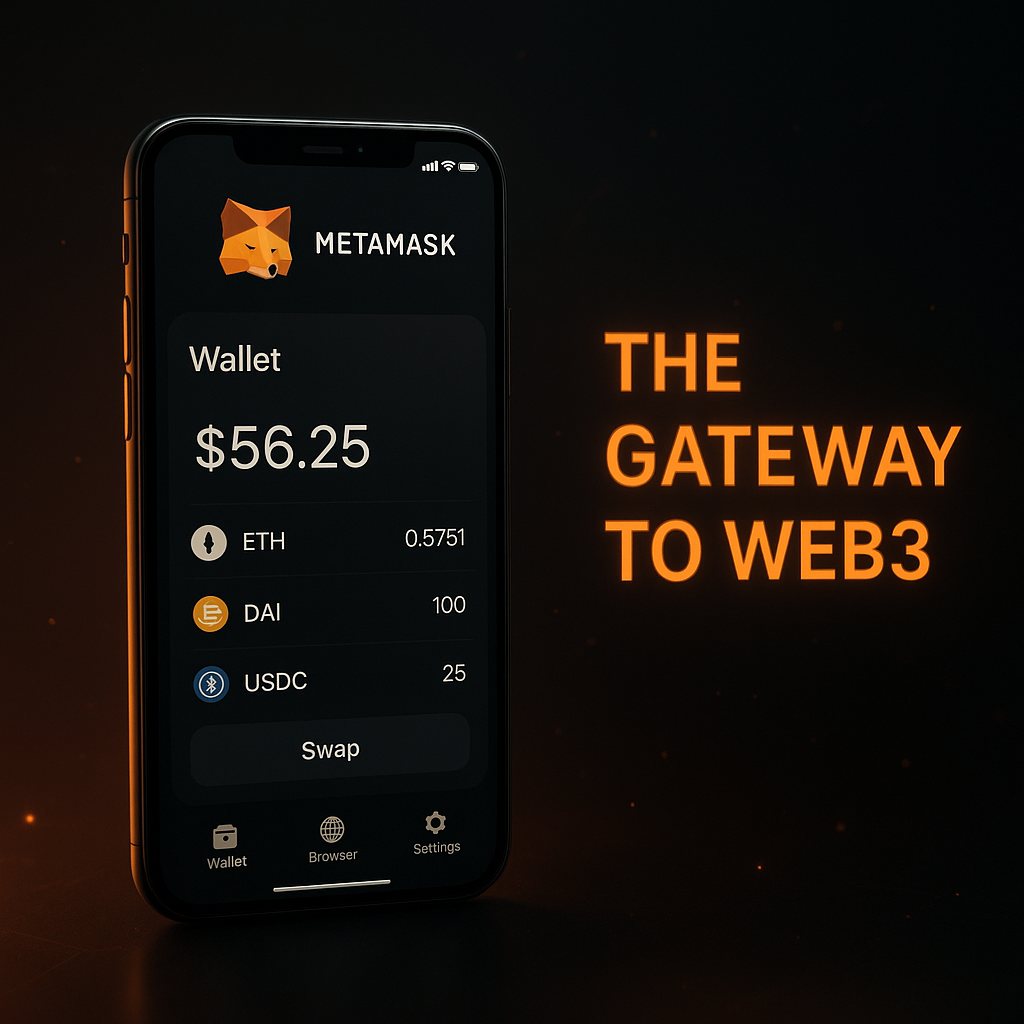
The internet is evolving beyond traditional web browsing and centralized platforms. Web3 represents the next generation of the internet, built on blockchain technology and decentralized protocols. Understanding what is Web3 becomes essential as more users seek control over their digital assets, data, and online interactions. MetaMask serves as your primary gateway to this decentralized ecosystem, providing a secure browser extension wallet that connects you directly to blockchain applications, DeFi protocols, and NFT marketplaces. In this comprehensive overview, you’ll discover how Web3 transforms digital ownership, why self-custodial wallets matter, and how MetaMask positions you at the forefront of this technological revolution.
What is Web3?
Web3 represents a paradigm shift from centralized web services to decentralized, blockchain-based applications. Unlike Web2, where tech giants control user data and digital assets, Web3 empowers users with true ownership of their digital identity, cryptocurrency, and interactions with decentralized applications (dApps).
The foundation of Web3 rests on blockchain technology, smart contracts, and cryptographic principles. When you access Web3 applications, you’re interacting directly with blockchain networks like Ethereum, rather than routing through centralized servers. This fundamental change creates new possibilities for financial services (DeFi), digital collectibles (NFTs), gaming, social networks, and countless other applications.
Understanding what is Web3 means recognizing three core principles: decentralization (no single point of control), trustlessness (smart contracts execute automatically), and permissionlessness (anyone can participate without gatekeepers). These principles enable innovations impossible in traditional web architecture.
The Role of Crypto Wallets in Web3
A crypto wallet serves as your identity and authentication mechanism in Web3. Unlike traditional websites that use usernames and passwords, Web3 applications recognize you through your wallet address and cryptographic signatures. This system eliminates the need for creating countless accounts while giving you complete control over your access credentials.
Browser extension wallets like MetaMask bridge the gap between traditional web browsing and blockchain interaction. Instead of learning complex command-line tools, you can access Web3 through familiar browser interfaces. The wallet manages your private keys, signs transactions, and communicates with blockchain networks seamlessly.
Self-custodial wallets represent a fundamental shift in digital asset ownership. When you control your private keys through a self-custodial solution, you truly own your cryptocurrency, NFTs, and Web3 identity. No centralized authority can freeze your account, reverse your transactions, or restrict your access to decentralized applications.
Understanding Ethereum’s Central Role
When exploring what is Ethereum, you discover the blockchain that pioneered smart contracts and remains the backbone of Web3 innovation. Ethereum introduced programmable money and decentralized applications, creating the infrastructure for DeFi protocols, NFT marketplaces, and countless other Web3 services.
The Ethereum ecosystem hosts thousands of decentralized applications spanning every conceivable use case. From lending protocols like Aave and Compound to NFT marketplaces like OpenSea, most Web3 innovation happens on Ethereum or EVM-compatible networks. Understanding Ethereum’s role helps you navigate the broader Web3 landscape effectively.
EVM (Ethereum Virtual Machine) compatibility extends Ethereum’s reach across multiple blockchain networks. Networks like Polygon, Binance Smart Chain, Arbitrum, and Optimism share Ethereum’s programming standards, allowing the same applications and wallets to work across multiple chains. This interoperability strengthens the entire Web3 ecosystem.
MetaMask: Your Web3 Browser Extension
MetaMask established itself as the leading Web3 wallet by making blockchain interaction as simple as traditional web browsing. The browser extension wallet integrates seamlessly with Chrome, Firefox, Brave, and Edge, bringing Web3 functionality directly to your existing browsing experience.
As an Ethereum wallet, MetaMask provides native support for ETH and ERC-20 tokens while offering robust multi-chain capabilities. You can switch between Ethereum mainnet, Layer 2 solutions like Arbitrum and Optimism, and alternative EVM-compatible networks with a single click. This flexibility ensures access to the entire spectrum of Web3 applications.
The platform’s self-custodial architecture means MetaMask never holds your private keys or controls your funds. Your Secret Recovery Phrase remains under your complete control, ensuring true ownership of your digital assets. This approach aligns perfectly with Web3’s core principles of user sovereignty and decentralization.
Essential Web3 Features in MetaMask
- dApp Browser Integration: Connect to thousands of decentralized applications with one-click wallet connection, eliminating the friction between traditional browsing and blockchain interaction.
- Built-in Token Swaps: Trade cryptocurrencies directly within your wallet using integrated DEX aggregation, finding the best prices across multiple decentralized exchanges automatically.
- NFT Support: View, manage, and transfer your non-fungible tokens directly in your wallet interface, with automatic detection of new NFTs sent to your address.
- MetaMask Snaps: Extend your wallet’s functionality through community-built plugins that add support for new blockchains, enhanced security features, and specialized Web3 tools.
- Hardware Wallet Integration: Connect Ledger and Trezor devices for additional security while maintaining the convenience of browser-based Web3 access.
- Multi-Account Management: Create multiple addresses within a single wallet for different purposes, such as separating DeFi activities from NFT collecting.
- Gas Fee Optimization: Advanced transaction fee controls help you optimize costs during network congestion while ensuring reliable transaction processing.
Web3 Use Cases and Applications
DeFi (Decentralized Finance) represents Web3’s most mature application category. Through protocols like Uniswap, MakerDAO, and Yearn Finance, users access financial services without traditional intermediaries. You can lend, borrow, trade, and earn yield on your cryptocurrency holdings through smart contracts that execute automatically.
NFT marketplaces and digital collectibles showcase Web3’s impact on digital ownership and creator economies. Platforms like OpenSea, Foundation, and SuperRare enable direct peer-to-peer trading of unique digital assets, from art and music to gaming items and domain names.
Decentralized Autonomous Organizations (DAOs) demonstrate Web3’s potential for governance and collective decision-making. Token holders vote on proposals, allocate resources, and guide project development without centralized management structures.
Web3 gaming introduces true asset ownership, where players control their in-game items and can transfer them between games or sell them on open markets. This creates new economic models where gaming becomes both entertainment and investment.
Security and Best Practices in Web3
Understanding what is self-custodial means accepting responsibility for your own security. Your Secret Recovery Phrase represents the master key to your digital assets. Write it down on paper, store it securely offline, and never share it with anyone. MetaMask cannot recover your phrase if lost.
Smart contract interactions require careful verification before signing transactions. Always review transaction details, verify contract addresses, and understand what permissions you’re granting to decentralized applications. The irreversible nature of blockchain transactions makes prevention crucial.
Regular security practices include keeping your browser and MetaMask extension updated, using strong passwords for additional account protection, and considering hardware wallet integration for large holdings. The Web3 environment rewards proactive security measures.
The Future of Web3 and Decentralized Internet
Web3 continues evolving rapidly, with new protocols, applications, and infrastructure developments emerging constantly. Layer 2 scaling solutions make Ethereum more accessible, while new consensus mechanisms improve energy efficiency and transaction throughput.
Interoperability between different blockchain networks grows stronger, creating a more connected and user-friendly Web3 experience. Cross-chain bridges, multi-chain applications, and universal wallet standards reduce the complexity of managing assets across multiple networks.
Mainstream adoption accelerates as traditional companies integrate Web3 elements, governments explore central bank digital currencies (CBDCs), and user interfaces become more intuitive. The gap between Web2 and Web3 user experiences continues narrowing.
Conclusion
Web3 represents more than technological innovation—it’s a fundamental reimagining of how we interact with digital services, own digital assets, and participate in online communities. Understanding what is Web3 positions you to benefit from this transformation while maintaining control over your digital sovereignty.
MetaMask simplifies your Web3 journey by providing secure, user-friendly access to the decentralized internet. As the leading browser extension wallet, MetaMask connects you to thousands of applications while keeping your private keys under your complete control.
Ready to explore the decentralized web? Download MetaMask today and discover why millions of users trust our wallet to access DeFi, NFTs, and the broader Web3 ecosystem. Your journey into the future of the internet starts with a single click.
Frequently Asked Questions
What makes Web3 different from the current internet?
Web3 eliminates intermediaries through blockchain technology, giving users direct control over their data, assets, and interactions. Unlike Web2 platforms that store your information on centralized servers, Web3 applications run on decentralized networks where you own your digital identity and assets.
Do I need technical knowledge to use MetaMask and Web3?
While Web3 involves new concepts, MetaMask makes blockchain interaction as simple as traditional web browsing. The browser extension provides intuitive interfaces for managing crypto assets and connecting to dApps. Start with basic activities like token swaps before exploring more complex DeFi protocols.
How does self-custodial wallet security work?
Self-custodial wallets like MetaMask generate cryptographic keys that only you control. Your Secret Recovery Phrase serves as the master key to your accounts. MetaMask never stores these keys on servers, ensuring complete user control over funds and access.
What are the main benefits of using Web3 applications?
Web3 applications offer true ownership of digital assets, censorship resistance, global access without geographic restrictions, programmable money through smart contracts, and direct peer-to-peer interactions without intermediaries taking fees or controlling access.
Can I use MetaMask on multiple devices?
Yes, you can restore your MetaMask wallet on multiple devices using your Secret Recovery Phrase. Install the browser extension or mobile app on each device, then import your existing wallet. Your accounts and assets will appear on all connected devices.
What blockchains work with MetaMask?
MetaMask supports Ethereum and all EVM-compatible networks including Polygon, Binance Smart Chain, Avalanche, Arbitrum, Optimism, and hundreds of others. You can add custom networks through the settings or connect automatically when prompted by dApps.
How do gas fees work in Web3 transactions?
Gas fees compensate network validators for processing your transactions. MetaMask estimates appropriate fees automatically but allows manual adjustment for faster processing or cost savings. Higher fees typically result in faster transaction confirmation during network congestion.
What are MetaMask Snaps and how do they extend wallet functionality?
MetaMask Snaps are community-built extensions that add new features to your wallet. They can provide support for non-EVM blockchains, enhanced security notifications, custom transaction insights, and specialized tools for different Web3 use cases.
Is it safe to connect my wallet to Web3 applications?
Connecting to Web3 applications is generally safe when you verify the application’s legitimacy and understand what permissions you’re granting. Always review transaction details before signing, use official application URLs, and disconnect from applications you no longer use.
How do I recover my MetaMask wallet if I lose access?
Your Secret Recovery Phrase allows complete wallet recovery on any device. If you lose access to your current device, install MetaMask on a new device, select “Import existing wallet,” and enter your 12-word Secret Recovery Phrase to restore all your accounts and access your funds.


Really appreciated great breakdown of Ethereum support. Very practical approach. Everything explained clearly. Very helpful! Well done! Very helpful! Well done! Highly recommend. Highly recommend. Well done!
Good article for the explanation of Ethereum support. Made everything much clearer. Everything explained clearly. Great resource. Very helpful! Highly recommend. Highly recommend. Thanks again! Thanks again!
Just what I needed, valuable information about gas optimization that’s hard to find elsewhere. Info came in very handy. Highly recommend. Great resource. Great resource. Well done! Great resource. Very helpful!
Really appreciated particularly useful insights on MetaMask Swaps and MetaMask Snaps. Really appreciate this guide. Highly recommend. Thanks again! Well done! Thanks again! Very helpful! Thanks again!
Thanks for the article! the explanation of Ethereum support. Made everything much clearer. Everything explained clearly. Very helpful! Very helpful! Highly recommend. Thanks again! Very helpful! Very helpful!
Excellent article, really helped me understand Ethereum wallet. Now I know how to use browser wallet. Info came in very handy. Very helpful! Thanks again! Very helpful! Thanks again! Well done! Highly recommend.
Good article for those wanting to understand NFT management better. Well explained. Will keep an eye out for new posts! Very helpful! Great resource. Very helpful! Great resource. Great resource. Highly recommend.
Thanks for the article! valuable information about MetaMask Swaps that’s hard to find elsewhere. Author did a great job explaining clearly. Great resource. Very helpful! Great resource. Highly recommend.
Comprehensive guide, helped solve my gas fees. Recommend to everyone interested. Information is truly up-to-date. Thanks again! Very helpful! Well done! Highly recommend. Thanks again! Well done! Thanks again!
Well-structured material. the comparison section was especially helpful and informative. Exactly what I was searching for. Very helpful! Highly recommend. Highly recommend. Very helpful! Very helpful!
Very informative, particularly useful insights on Secret Recovery Phrase and Ethereum wallet. Really appreciate this guide. Well done! Great resource. Great resource. Highly recommend. Great resource.
This helped me those wanting to understand MetaMask Snaps better. Well explained. Highly recommend this resource. Very helpful! Highly recommend. Highly recommend. Well done! Well done! Thanks again! Very helpful!